

- Content Hub
- Member Extras
- Member Newsletter
- Member Newsletter: Comparison Syndrome

Access the essential membership for Modern Managers

Welcome to your exclusive Mind Tools member newsletter, designed to help you survive and thrive at work.
Each week, you’ll find personal insight and advice from the mindtools.com editors, and from our network of thought leaders, researchers and coaches.
This week, we’re focusing on Comparison Syndrome, the dangers of negatively comparing ourselves to others and what can be done to break that destructive cycle.
Then scroll down for our Tip of the Week on how to stop procrastinating and News Roundup.
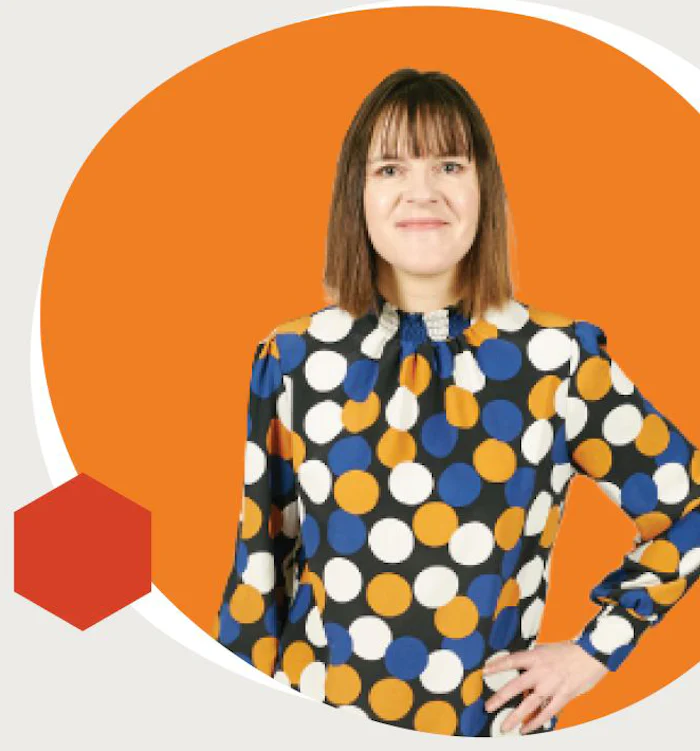
Calling Time on Comparison Syndrome
By Catriona MacLeod, a Mind Tools Managing Editor
Honest Admissions
I'm going to let you into a secret. I've got a terrible case of comparison syndrome. So much so, it even applies to writing this!
It's been a while since I've written a thought piece. And I put it off for a bit, thinking about all the people who could do it so much better than me. See what I mean?
Of course, it's natural to compare ourselves to others to some extent. It helps us to gauge our own abilities, attributes and skills. It can motivate us to achieve more – at work and at home.
But social comparison can also have a downside, particularly if you become preoccupied with the perceived success and happiness of others.
Social comparison can make us feel dissatisfied with our own lot, dent our feelings of self-worth, and even lead to poor mental health.
What Is Comparison Syndrome?
Social comparison theory was first introduced by Theodore Festinger back in 1954. Today we have several similar terms to describe its negative effects, such as comparison syndrome, comparisonitis, and obsessive comparison syndrome.
Upward social comparison is a common form, where we consider someone to be doing better than we are. For me, that might mean comparing myself to friends who, like me, have a busy work and family life. But (unlike me) seem to manage to keep their houses in pristine condition. As someone who lives in fear of the casual visitor, this is a level of togetherness I can only dream about!
Sometimes upward comparisons can have a motivating effect. For example, you might be inspired to work hard to emulate the success of your boss. But such comparisons can also lead to feelings of inferiority, particularly if what you're aiming for seems way beyond your reach.
In contrast, downward social comparison is where we take comfort from the fact that someone else is worse off than us. I do that very thing when I watch TV shows where household clutter has taken over people's lives, and they get experts in to help them out. As all their possessions are laid out before them in a warehouse, I tell myself, "At least I'm not as bad as that!"
While downward social comparison can make us feel better about ourselves, it's not a particularly healthy outlook, and it can also remind us of our own fallibility.
If I'm already prone to hoarding things I don't need, how soon before I’m in the same situation as the people on those TV shows?
Social Comparison and Gender Difference
Does my gender have something to do with my tendency to compare myself to others, I wonder? While some research suggests that women may be more likely to engage in social comparison than men, the research is complex, and far from conclusive.
Comparison Syndrome and Impostor Syndrome
You may see social comparison used interchangeably with impostor syndrome (feelings of inadequacy and self-doubt). They're not quite the same thing, though they’re closely linked.
Business coach Kara Lambert points out that the former springs from external factors, whereas impostor syndrome tends to come from within.
Where the link can occur is when we compare ourselves to others and turn their successes into our own shortcomings and a fear of being "found out." It can even lead to self-sabotage.
Social Media and Comparison Syndrome
With the rise of social media, there are more opportunities than ever for us to compare ourselves to others – from friends to celebrities and even complete strangers.
Whether it's through Facebook posts, our Instagram feeds, or LinkedIn updates, we're constantly fed a diet of other people's activities and achievements. It can be hard for us to keep perspective, and even harder to switch off.
I experienced this back in lockdown. While I struggled to juggle homeworking with homeschooling, on social media I was met with a wall of updates showcasing decluttering and home-redecorating projects, and beautiful home baking.
Some days it would leave me feeling pretty low, and sometimes even resentful or angry. Why wasn't I doing all this stuff too?
And then one day, I accidentally locked myself out of my main social media account. I was forced to step away from the endless scrolling.
This confirmed what I already knew: comparison syndrome was taking over – and it was taking more than I was getting back.
How to Spot the Signs of Comparison Syndrome
If you find yourself constantly comparing yourself to others in an unhealthy way, you may suffer from comparison syndrome. Other signs include:
- Frequently feeling like a failure when you learn of others' achievements.
- Finding it hard to congratulate others on their successes.
- Spending a lot of your free time scrutinizing other people's social media profiles and posts.
- Struggling to start new projects at work because you worry your colleagues could do them better.
- Setting yourself timelines for life milestones such as key career achievements, finding a life partner, or having kids.
Confronting Comparison Syndrome
If you're worried that comparing yourself to others is taking over, there are plenty of things you can do to help you break the habit:
Spend time assessing your personal values. What things matter most to you, and make you feel happy and fulfilled? How can you bring more of them into your life at work and at home? This helps to switch the focus from what other people are doing.
Celebrate your own successes. At work, use your one-on-ones and performance reviews to reflect on – and give yourself credit for – what you've achieved. Journaling, where you record your thoughts, feelings and experiences, can be another way to track how you've developed and grown.
Practice gratitude. Break the cycle of yearning for things you don't have by focusing on the things you do have to be grateful for.
Try some positive affirmations or take inspiration from some empowering quotes.
Give yourself a digital detox. If social media time is causing you to feel low, jealous, frustrated, or angry, it could be time to take a proper break.
Keep things in perspective. Remind yourself that social media shows a curated version of people's lives. You're comparing yourself to edited highlights. We're all far less likely to share the bad stuff!
Open up to a friend, a trusted colleague, coach, or counselor. If constant comparison is getting you down, talking to others can help you to tackle feelings of low self-esteem and isolation.
One thing I keep coming back to is to be aware that it's easy to build a narrative around someone else's abilities, successes or shortcomings without having the full picture.
The friend with the perfect house might do chores till midnight. That person on the TV might have a health issue that explains why their home is overwhelming them.
We all have our own stories. And that's the point. We can be inspired, moved, or feel envy when we compare our lives to other people’s. It's what we choose to value and to do with our own life that really matters.
What's Next?
At the heart of Comparison Syndrome is a lack of self-confidence. One way to tackle this is to reframe how we think; to stop ourselves building up negative pictures in our minds of events and situations.
Our article Cognitive Restructuring explains how to do this. You could also look at pieces on Overcoming Fear of Failure and How to Build Self-Confidence to further develop a more positive appreciation of yourself.

Tip of the Week
How to Stop Procrastinating
By Kevin Dunne, Mind Tools Content Editor
Procrastination is the habit of unnecessarily delaying an important task, usually by focusing on less urgent, more enjoyable activities instead.
Here’s our quick guide to help break your procrastination habits.
1. Identify when you're procrastinating.
Sometimes you must delay tasks for good reason, or face blockers that you have no control over. These things happen.
But, if you find yourself doing unimportant tasks or waiting to be in the right mood to start an unpleasant job, you are procrastinating.
2. Identify why you’re procrastinating.
Many procrastinators persuade themselves that they have good reasons for delaying getting on with what they have to do. Why are you doing it?
3. Apply anti-procrastination strategies.
- Eliminate distractions. Turn off that phone!
- “Eat the frog!” Get the toughest tasks out of the way early on.
- Keep a to-do list and make your tasks time-bound.
- Plan rewards at key points.
- Start with quick wins to "lift" you.
- Finish things!
And be kind to yourself. No one ever gets to the end of their to-do list!
Take our quiz Are You a Procrastinator? to find out if you are a procrastinator, with further tips on how to break the habit.
Pain Points Podcast
How are your presentation skills? Can you keep an audience engaged or do your nerves get the better of you? Can you clearly communicate your points or does the audience leave confused?
Find out how to hone your public communication skills in the first of our two-part podcast discussion on improving your presentation skills.
Don't miss the latest episode of our “Pain Points” podcast!
News Roundup
This Week's Global Workplace Insights
Quiet Hiring Making a Lot of Noise
Quiet hiring… the new buzz phrase that’s a bit like looking in your fridge and making something delicious with what you have, instead of driving to the store and spending on new ingredients.
Euronews reported on the new trend, where instead of constantly expanding their workforces through external hires, companies are increasingly focusing on upskilling and retraining the talent right under their noses.
This means they are not only able to bridge talent gaps but also retain staff (and avoid the costs associated with recruitment) and simultaneously invest in the professional development of existing staff.
René Janssen, CEO of Lepaya, an Amsterdam-based edtech company, says this approach will “foster a culture of continuous learning and growth within an organization.”
This method means companies can not only stay competitive but also create an optimal environment for career growth for their staff. Win-win.
Who Wants to Be a Billionaire?
When I looked it up for this article, Jeff Bezos was the second-richest person in the world, with a fortune closing in on $207 billion.
The former Amazon CEO must be doing something right, right? But what, exactly? How does he live?
Well, from a variety of sources, Business Insider put together a day-in-the-life of the American tycoon. Hopefully, there’ll be something here for those of us still chasing our first billion!
- He wakes up every morning naturally, without the aid of an alarm clock. (Nice!)
- He likes "to putter in the morning. I like to read the newspaper [...] have coffee." (Ditto.)
- He starts his morning with journaling instead of going straight to his phone.
- He never schedules early-morning meetings, to spend quality time with his family.
- He does 30 minutes of cardio and 45 minutes of weight lifting or resistance training every day
- He likes to get his more intensive meetings rolling before noon. "High-IQ meetings before lunch.”
- He is a big believer in getting enough sleep and strives for eight hours a night.
Be like Jeff, schedule your day for peak you. For more on this idea, see our article Is This a Morning Task?
See you next week for more member-exclusive content and insight from the Mind Tools team!


